
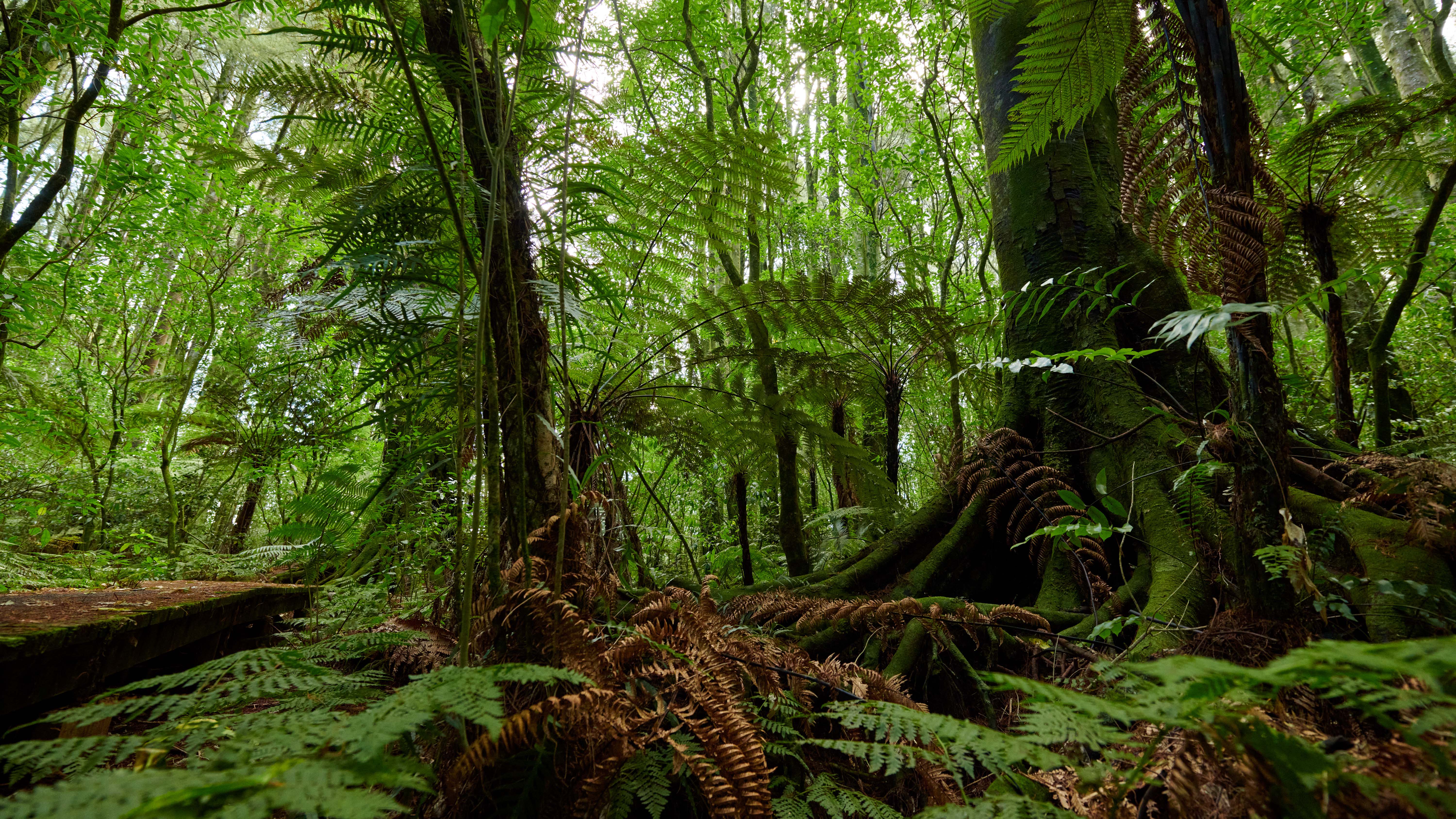
"Diverse ecosystems deliver a range of ecosystem services that help support the resilience of human communities. And the greater the variety of ecosystem types – and the biodiversity within them – the more naturally resilient they are to threats and pressures."
Dr Paul Dutton, Senior Scientist of Terrestrial Ecology
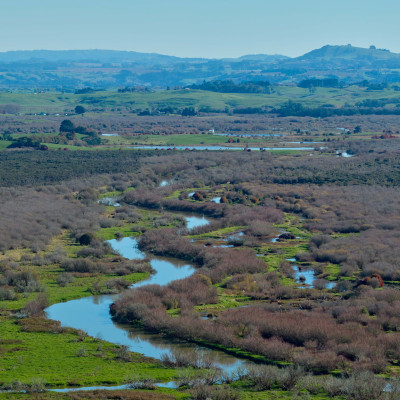
Swamps, fens and peat bogs make up the Whangamarino Wetland, a Ramsar Site of international importance.
New Zealand is one of the most biologically unique places in the world.
Around 80 per cent of our native trees, ferns and flowering plants are found nowhere else in the world, and more than 70 per cent of our native breeding bird species are also endemic.
The native ecosystems found here evolved without many of the pressures seen elsewhere, like predatory mammals. Because of this, they are often less competitive against introduced (exotic) species and sometimes need a helping hand.
Waikato Regional Council Senior Scientist of Terrestrial Ecology, Dr Paul Dutton, says: "The Waikato straddles the natural plant distribution boundary of both northern and southern species. This helps make it one of the more ecologically diverse regions in New Zealand.
"But human activities have had a huge impact over time, causing some ecosystem types to disappear entirely and others to cling on only as small, isolated fragments.
"More ecosystem types are at risk of collapse in the future, too, as a result of biosecurity incursions and land use change.
"Wilding pines are a prime example of this 'exotic incursion'. They often start as a sparse intrusion into tussock grassland but can eventually grow to become a closed canopy. This alters the light. It alters the soil. And the recovery of the tussock ecosystem – and the species it supported – becomes unlikely without ongoing intervention.
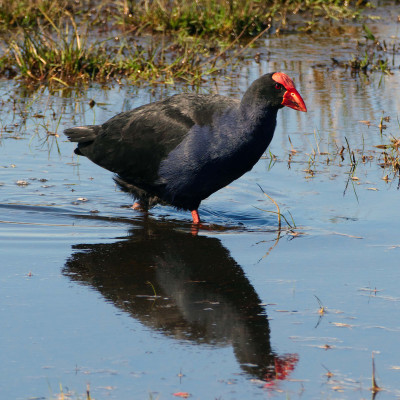
The pūkeko is also known as the purple swamphen (Porphyrio porphyrio). They’re most at home in wetland ecosystems.
"Similar stories can play out across most other ecosystems, too, if we aren't proactive."
Different ecosystems provide different habitats for different species. So, the greater the variety of ecosystem types, the higher the overall biodiversity.
This variety isn't just a 'nice to have', it's essential to our survival, supporting clean air, water and food sources. That's because different ecosystems play different roles.
Forests absorb carbon dioxide, prevent landslips and help regulate temperature through a process called evapotranspiration – like the way sweating cools you down. It's one of the reasons cities full of concrete can get unbearably, even dangerously, hot, while forests remain pleasantly cool.
Wetlands, meanwhile, naturally filter water before it flows into rivers and lakes, trapping and enabling plants and microorganisms to break down harmful substances. They also absorb and store water, reducing flooding impacts during heavy rain.
"Diverse ecosystems deliver a range of ecosystem services that help support the resilience of human communities," says Paul. "And the greater the variety of ecosystem types – and the biodiversity within them – the more naturally resilient they are to threats and pressures."
Monoculture forests are particularly susceptible to pests and diseases due to concentrated impacts on a single dominant species. In contrast, species-rich natural forests are generally more resilient, with biodiversity enhancing ecosystem stability and reducing pathogen transmission through the presence of non-host species.
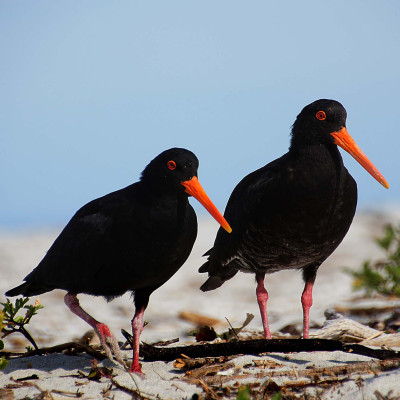
Variable oystercatchers breed most commonly on sandy beaches, sand spits and dunes.
Following wildfire, neighbouring ecosystems, such as wetlands and riparian margins, can function as ecological refuge for animals, enabling populations to persist while affected areas recover. This landscape-level diversity enhances ecosystem resilience by supporting survival and recolonisation that would be compromised in a homogeneous environment.
But the benefits don't stop there. By regulating soil and water quality, and supporting pollination, biodiversity helps support agriculture – which accounts for around 10 per cent of the Waikato's GDP. Biodiversity also underpins a thriving tourism sector – built on environment-focused destination branding – that contributes around 4.3 per cent (above the national average) to the Waikato's GDP.
And the benefits don't stop there either. Because access to nature improves mental health outcomes, provides many different recreation opportunities, and supports cultural and national identity – helping to define who we are and shape our sense of belonging.
"The environment, communities and the economy aren't separate spheres," says Paul, "they're interlinked and interdependent. Protecting and restoring our natural assets is a root and branch investment in the future of our region."
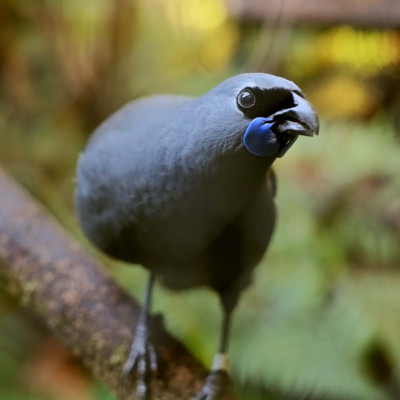
North Island Kōkako persist in small populations from the King Country through to Te Urewera, typically inhabiting tall native forest.
"There are many community groups, land managers and agencies, including Waikato Regional Council, doing excellent work to support regional biosecurity and biodiversity.
"Different ecosystems face different pressures, so the most effective approach can vary from place to place. While predator control, for example, can be highly beneficial in some environments, other ecosystems may require different interventions to achieve the best outcomes."
"That's why having a clear understanding of the extent and condition of Waikato's ecosystem types is so valuable. It helps people choose the right tools for the right places."
"It's why my colleagues and I study ecosystems and why we're currently undertaking comprehensive mapping for each of them, assessing relative risks to their long-term survival.
"By doing this, we can help drive and support action to protect and restore our natural life support systems. And we can help channel people's efforts, and future funding, to the areas where, together, we can make the biggest difference."
Read the report
Find out more about the 91 different ecosystem types found in the Waikato – including their key characteristics, regional extent and the threats they face – in the comprehensive and definitive report.
